
Summary
The conflict has been ongoing since October 2023, with various countries and organizations involved. The **US** has been providing military support to **Israel**, while **Iran** has been backing **Hezbollah**. The situation is complex, with multiple parties and interests at play. For a deeper understanding of the **Middle East conflict**, see [[middle-east-conflict|Middle East Conflict]]. The role of **journalists** in covering the conflict is also crucial, as they provide vital information and insights. The death of Amal Khalil highlights the risks faced by journalists in conflict zones, as discussed in [[journalist-safety|Journalist Safety]].
Key Takeaways
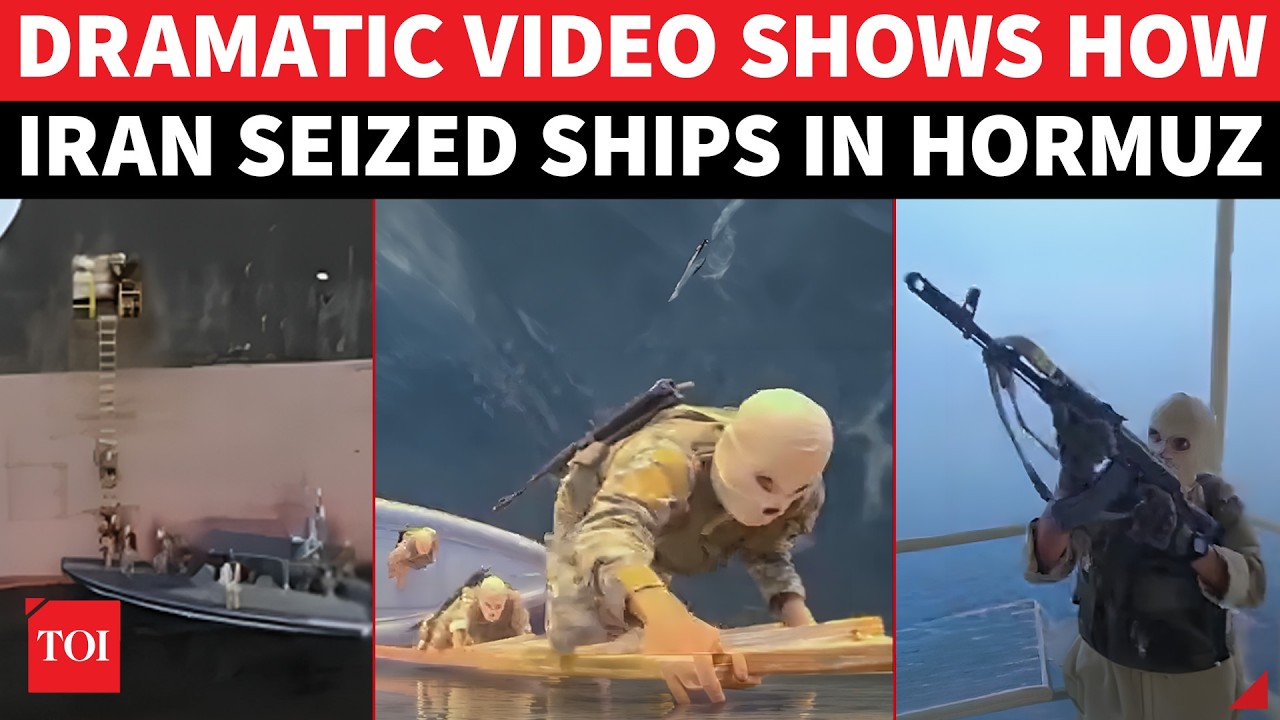
- Iran has attacked commercial vessels in the Strait of Hormuz
- The US has directed two more vessels to turn around as part of a blockade
- A Lebanese journalist, Amal Khalil, was killed in an Israeli airstrike on southern Lebanon
- The conflict in the Strait of Hormuz has significant implications for global oil trade and the stability of the region
- The US military buildup in the region could have far-reaching consequences
Balanced Perspective
The situation in the **Strait of Hormuz** is complex and multifaceted, with various countries and organizations involved. The **US** military buildup in the region is a significant factor, but its impact is uncertain. The conflict between **Iran** and **Israel** is longstanding and deeply entrenched, and a peaceful resolution may be difficult to achieve. The international community is calling for a ceasefire, but the parties involved may have different priorities and interests. For a balanced view of the **Middle East conflict**, see [[middle-east-conflict|Middle East Conflict]]. The role of **international law** is also important, as it provides a framework for resolving conflicts and promoting peace, as discussed in [[international-law|International Law]].
Optimistic View
The US military buildup in the region could serve as a deterrent to **Iran** and help to stabilize the situation. The **US** has a strong track record of protecting its interests and allies in the region, and its involvement could help to prevent further escalation. Additionally, the international community is calling for a ceasefire and diplomatic efforts to resolve the conflict, which could lead to a peaceful resolution. For more on **US foreign policy**, see [[us-foreign-policy|US Foreign Policy]]. The **United Nations** is also playing a key role in promoting peace and stability in the region, as discussed in [[united-nations|United Nations]].
Critical View
The escalating tensions in the **Strait of Hormuz** could lead to a wider conflict in the region, with potentially catastrophic consequences. The **US** military buildup in the region could be seen as a provocation by **Iran**, which could lead to further escalation. The conflict between **Iran** and **Israel** is deeply entrenched, and a peaceful resolution may be impossible to achieve. The international community's calls for a ceasefire may be ignored, and the situation could spiral out of control. For more on the **risks of war**, see [[risks-of-war|Risks of War]]. The **humanitarian consequences** of a wider conflict could be devastating, as discussed in [[humanitarian-consequences|Humanitarian Consequences]].
Source
Originally reported by CBS News